Hello, this is KOWORK, a recruitment platform for foreigners in Korea.
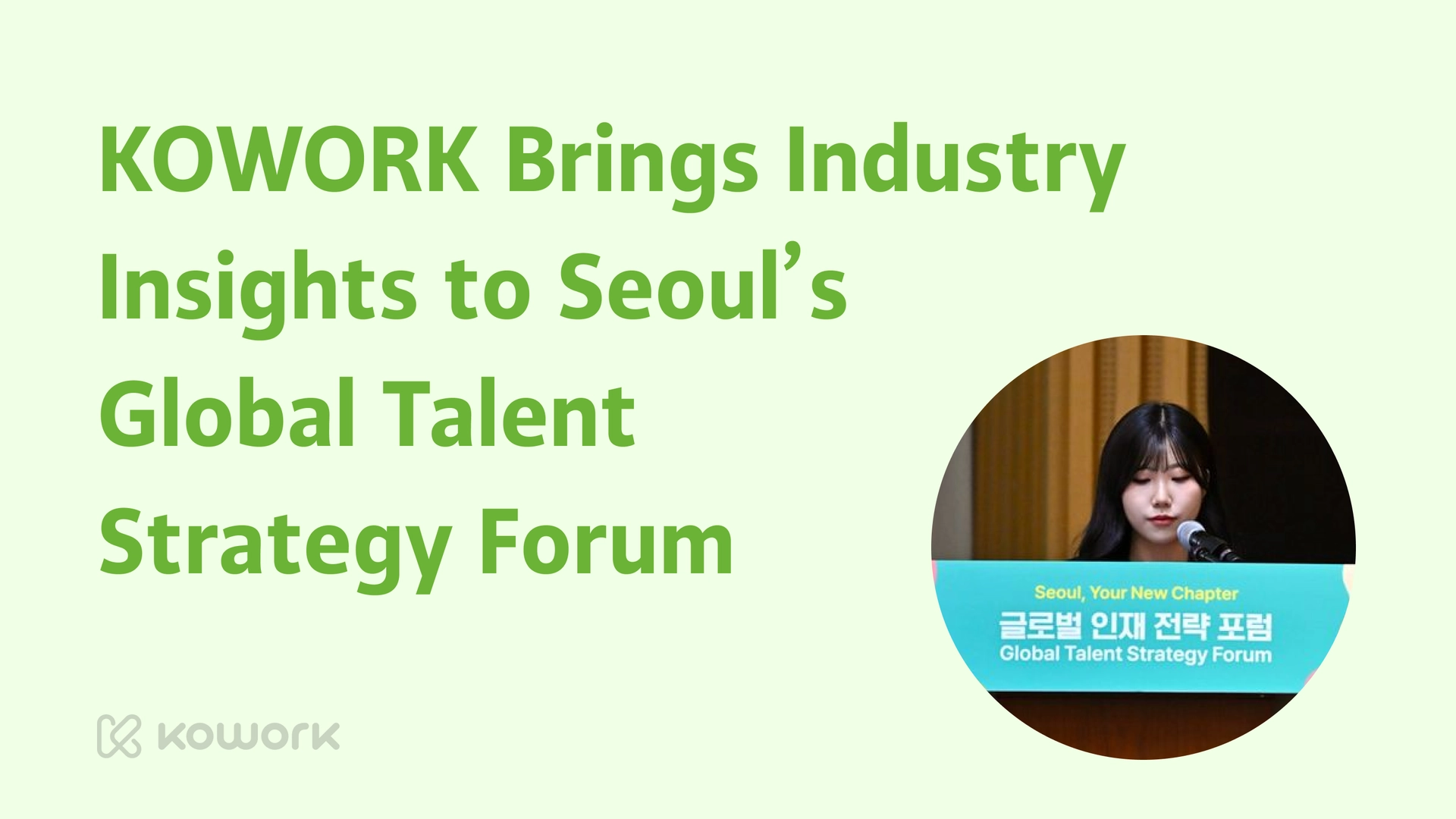
On December 10, the Global Talent Strategy Forum, hosted by the Seoul Metropolitan Government, was held at Seoul City Hall. The forum brought together stakeholders from public institutions, academia, and the private sector to discuss how Seoul can attract and retain global talent amid shifting population and labor market dynamics.
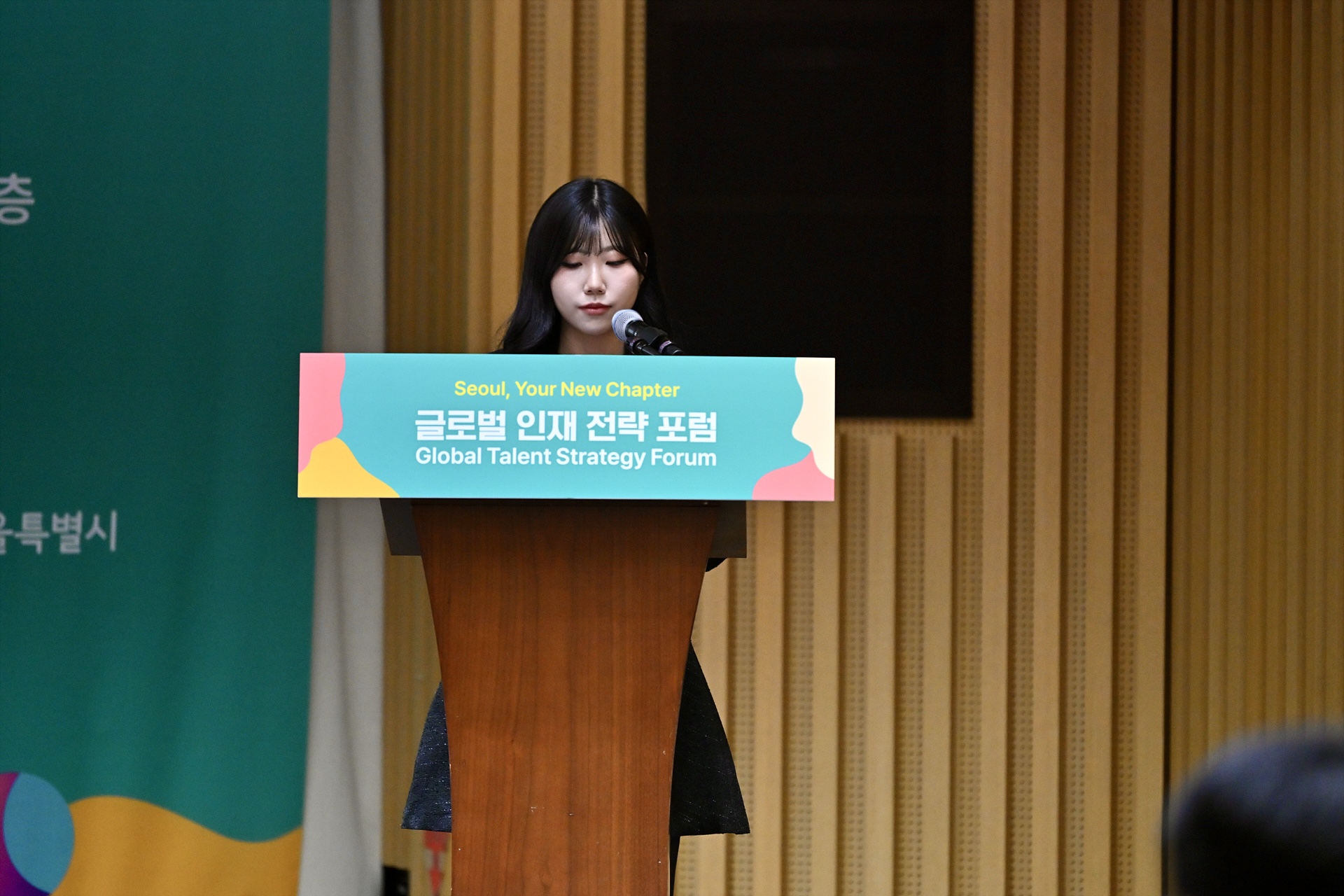
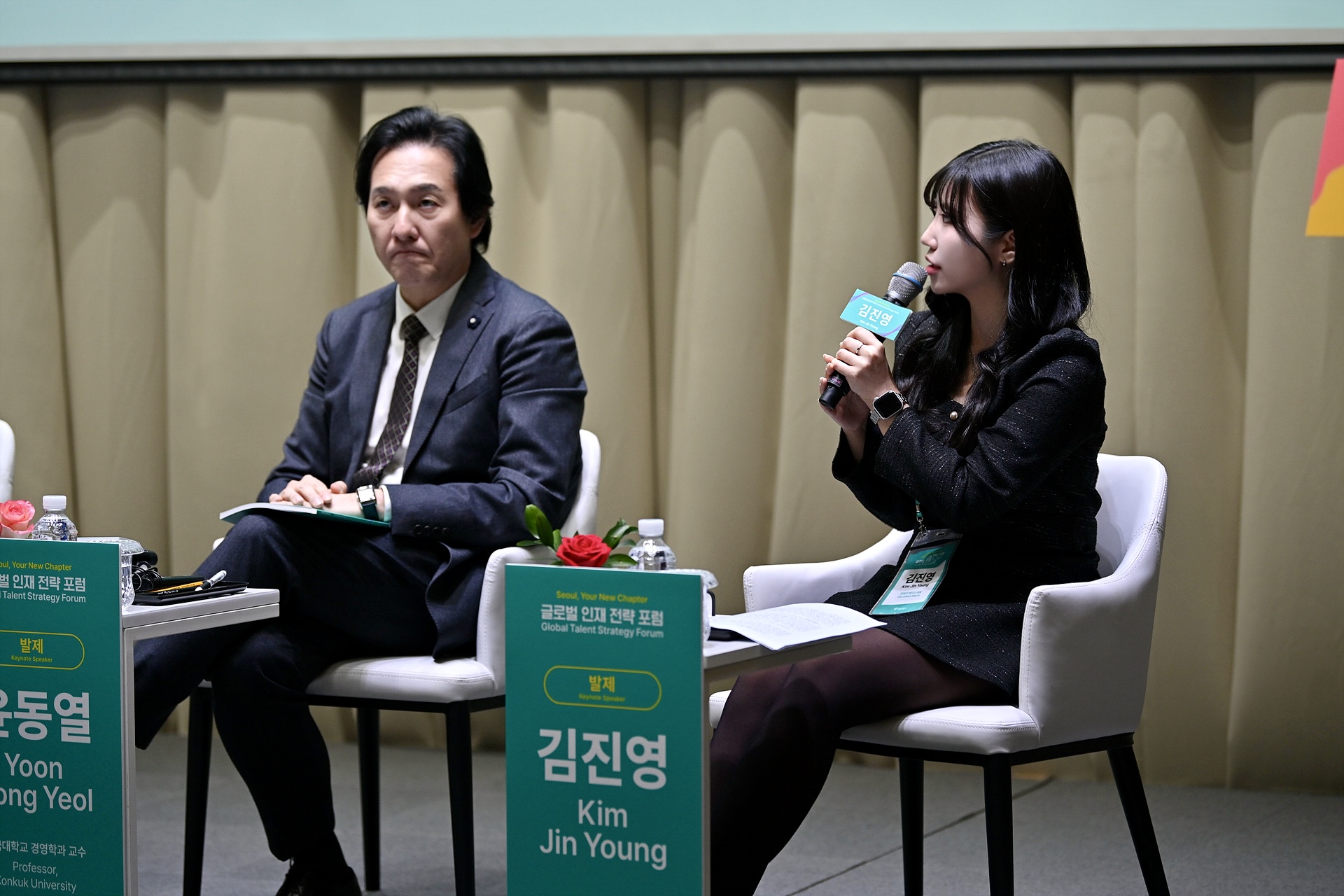
KOWORK was invited to participate as both a presenter and panelist. During the “Voices from the Field” session, KOWORK CEO Jinyoung Kim shared real-world insights into the challenges companies face when hiring international talent, particularly around visa systems and recruitment processes.
Hiring Global Talent Is No Longer a Choice - It’s a Strategy
According to data collected through KOWORK’s corporate survey:
- 35% of companies are already hiring international talent
- 38% are actively considering it
This means that more than half of responding companies now view global hiring not as a diversity initiative, but as a core strategy for survival and growth. Industries with especially high demand for international professionals include:
- IT and software development
- Manufacturing and technology-driven industries
- Trade, distribution, and global sales
These roles go far beyond repetitive tasks. They require advanced skills in areas such as overseas sales, marketing, and development. However, when companies move from intention to execution, they often encounter serious structural barriers.
Key Challenges Companies Face When Hiring International Talent
Based on on-the-ground experience, Kim highlighted several systemic issues:
1️⃣ Fragmented and Inconsistent Information
Visa requirements, documents, and procedures are scattered across multiple government bodies and communities. Companies must search through various channels to find reliable information. Even when regulations have been relaxed, many employers give up due to outdated or incorrect assumptions.
2️⃣ Complex and Unpredictable Visa Reviews
Visa screening typically takes 4–5 weeks or longer, and outcomes are difficult to predict. In some cases, decisions vary depending on the reviewer’s interpretation, making international hiring a significant risk for companies.
3️⃣ Rigid Major-to-Job Matching Criteria
In startup and fast-growing environments, many roles—such as planning, marketing, and data analysis—are hybrid positions that cannot be defined by a single academic major. However, visa evaluations still rely heavily on a strict 'one major, one job' framework, creating a gap between policy and reality.
4️⃣ Outdated Job Code Classifications
Roles like UX/UI designers or growth marketers often lack clear visa job codes. Companies are forced to apply under similar categories, increasing rejection rates and, in some cases, leading employers to abandon international hiring altogether.
5️⃣ Poor Communication of Policy Updates
Although improvements have been made, such as extended D-10 stay periods, expanded internship eligibility, and relaxed E-7 salary requirements - these updates often fail to reach companies in practice. As a result, many employers continue to operate based on outdated standards.

Four Policy Recommendations Proposed by KOWORK
Drawing from real-world experience, Kim proposed the following improvements:
1. Redesign Job Classification Through Public–Private Collaboration
Establish a regular consultation framework involving companies, experts, and platforms to adapt job definitions and codes in line with rapidly changing industries.
2. Clarify Major-to-Job Matching Guidelines
Provide standardized examples and case references that companies and international professionals can review in advance to better understand eligibility.
3. Introduce a Digital Visa Diagnosis System
Develop an automated system that allows users to input basic conditions and receive guidance on:
- Suitable visa types
- Required documents
- Potential review risks
KOWORK’s visa diagnosis system could serve as a starting point, and when combined with public data, could evolve into a powerful national platform.
4. Build a Centralized Information Hub Led by Seoul
Strengthen existing infrastructure, such as the Seoul Global Center, by integrating multilingual content, job-specific case studies, FAQs, and chatbot-based support.
Building a Better Ecosystem, Based on Real Voices
Jinyoung Kim concluded her presentation with a clear message:
“Attracting global talent is no longer optional - it is a core strategy for the sustainability of Seoul and South Korea.”
KOWORK will continue working to create a predictable, transparent, and trustworthy recruitment journey for both companies hiring international talent and professionals building long-term careers in Korea - through policy advocacy, platform development, and information integration. 🍀