You have just landed a job in a Korean company and you are overwhelmed with how to decipher and communicate effectively with your Korean colleagues - if this is you, then, you've come to the right place!
💡 A Practical Guide for Foreign Professionals
For foreigners working in Korea, communication challenges don’t come only from language barriers. They often come from who you are talking to and where you are working.
In Korean companies, communication style is shaped by:
- Generation (age & seniority)
- Company size and structure

💬 Why Communication Feels Especially Complex in Korean Companies
Korean workplaces often mix:
- Strong hierarchical traditions
- Multiple generations working together
- Very different company cultures depending on size
For foreigners, these differences are rarely explained explicitly, yet they strongly influence how messages are delivered, received, and interpreted. Understanding the above will help you adapt faster and avoid common workplace misunderstandings. So let's learn how you can communicate across generations and company types in Korean Workplaces.
👨🏼👩🏼👦🏼 Communication Across Generations
🧓🏻 Senior Employees (50s–60s)
👉 For foreigners: Be respectful, avoid casual language, and frame opinions as suggestions. |
👨🏻 Mid-level Employees (40s–50s)
👉 Tip for foreigners: Be concise, focus on outcomes, and avoid unnecessary explanations. |
👦🏻 Younger Employees (MZ Generation - 20s-30s)
👉 For foreigners: Be responsive, clear, and open to discussion. |
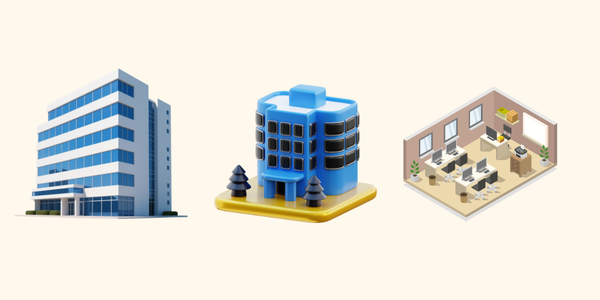
🏢 Communication Styles by Company Size
1. Large Corporations (대기업) 👔
Large Korean companies usually have:
- Clear hierarchy and reporting lines
- Formal communication processes
- Approval-based decision-making
Communication tends to be:
- Structured
- Polite and careful
- Often indirect
💡 What foreigners should know
- Always consider who needs to be informed or approved
- Avoid bypassing hierarchy, even unintentionally
- Written communication may need to be formal and detailed
In large companies, how you communicate can be just as important as what you communicate.
2. Small & Medium-Sized Companies (중소기업) 👩🏻💻
In SMEs, communication is often:
- More direct than in large corporations
- Less standardized
- Highly dependent on the CEO or manager’s style
You may experience:
- Faster decision-making
- Broader responsibilities
- More personal interactions
💡 What foreigners should know
- Observe your manager’s communication style carefully
- You may need to adjust quickly and take initiative
- Boundaries between roles can be less clear
Being flexible and proactive is highly valued in SMEs.
3. Startups 🚀
Startups in Korea often aim for:
- Flat hierarchies
- Fast, informal communication
- Open idea-sharing
Communication is usually:
- Casual
- Fast-paced
- Digital-first (messengers, shared tools)
However, Korean cultural norms still apply.
💡 What foreigners should know
- Even in “flat” startups, seniority still exists
- Casual tone doesn’t mean lack of respect
- Speed and ownership are highly valued
Foreigners who are too passive may struggle more than those who speak up — respectfully.
🔀 When Generation and Company Size Overlap
In reality, foreigners often face both challenges at once:
- A senior manager in a startup
- A young team lead in a large corporation
This is why one communication style never works for everyone in Korea.
The key skill is adaptability:
- Adjust your tone to the person
- Adjust your approach to the company culture
💡 Final Thoughts for Foreign Professionals
Understanding Korean workplace communication requires more than learning Korean language skills. It requires learning who you’re talking to and what kind of company you’re in.
Foreigners who succeed in Korea are often those who:
- Observe before reacting
- Adapt rather than insist
- Communicate with awareness and respect
As a foreigner, mastering communication culture is a major step toward building a successful career in Korea. So follow and share this guide with all your fellow foreigner friends and let's pave the way to a successful career in Korea.