
Since its launch in January 2024, the Climate Card has been a total game-changer for daily commuters in the Seoul Metropolitan area. However, the transit landscape is undergoing a massive shift. To reduce public confusion and optimize savings, the Seoul Metropolitan Government is merging the local Climate Card with the central government's nationwide K-Pass system to create the all-in-one Climate Card Plus.
Here is everything you need to know about what these cards are, how they compare, and what the major upgrade means for you.
1. The Original Climate Card (Phasing Out)
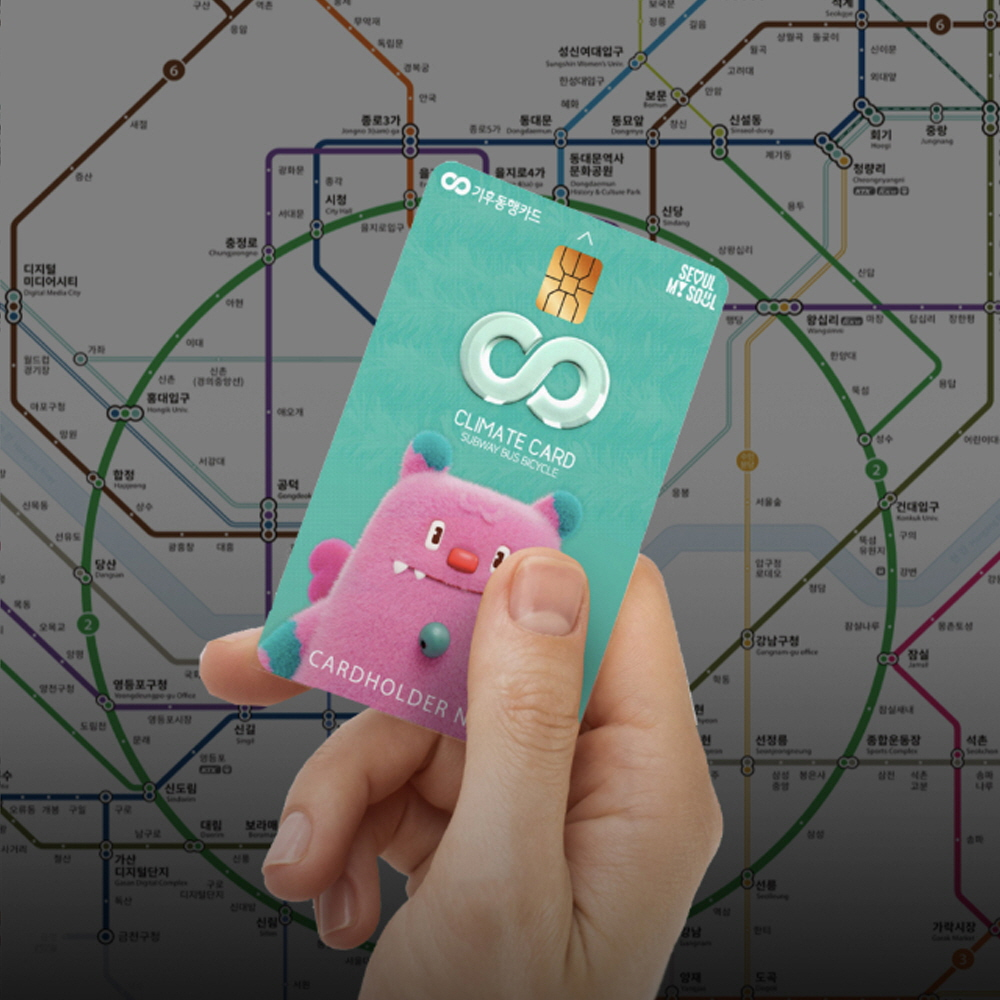
The original Climate Card was a prepaid, 30-day unlimited transit pass designed strictly for those commuting within Seoul. It saw massive popularity because it lifted a heavy financial burden off daily commuters.
• The Scope: Covered Seoul-based subway lines, Seoul-licensed city/town buses, and the Ttareungi public bike system.
• The Main Weakness: It did not cover transit outside of Seoul proper (such as Gyeonggi-do or Incheon), nor did it cover premium lines like the Shinbundang Line or GTX.
Original 30-Day Pricing Plans
Note: Discounts of KRW 7,000–17,000 apply to youth (ages 13–39), low-income individuals, and parents with two or more children.

However, a key limitation of the Climate Card was its geographic restriction to Seoul, excluding the surrounding Gyeonggi province. Its validity was confined to Seoul-based subway lines, Seoul-licensed public and town buses, and the Ttareungi bike-sharing system.
Conversely, obtaining the card was highly accessible; users could purchase it at any convenience store for 3,000 won and register it under their name through the T-money application.”
2. What is the K-Pass?
The K-Pass is a nationwide, refund-based discount system. Instead of giving you unlimited rides for a flat fee, it tracks your usage and refunds a percentage of your monthly transit spending directly back to your bank account (applicable for up to 60 rides per month, provided you use it at least 15 times)
How does it stack up against the Climate Card? While the Climate Card locks you into Seoul, the K-Pass can be used all over South Korea! This makes it ideal for anyone commuting between Seoul and the Gyeonggi area. If you live in Seoul but work in Bucheon, the K-Pass will save you way more money. But if you stick strictly to Seoul, stick with the Climate Card.
One disadvantage for foreigners was, to get a standard K-Pass, you traditionally have to visit a local bank branch in person to apply for a linked debit or credit card, requiring a valid Alien Registration Card (ARC).
3. The New Solution. What is Climate Card Plus?
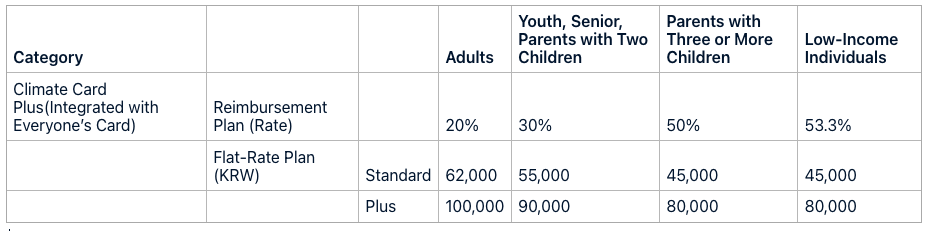
Essentially, this new card combines the best features of both programs. The best part? You don't have to stress over which card suits you better, because the Climate Card Plus automatically chooses the most advantageous option for you. It sounds complex, but it's actually very simple.
Here is how it breaks down: if you spend less than 62,000 won in a month, it behaves like a K-Pass and hooks you up with a 20% cashback refund. If you burn through more than 62,000 won, it turns into a standard Climate Card, capping your total cost at 62,000 won.
For long-distance commuters who rely on those big red intercity buses, there is also a 100,000 won monthly 'Plus Plan'.
Just remember, it works on a payback system: you pay your full fares first, and get your refund in your bank account the next month. eOne major catch, though, existing Climate Card benefits were available to anyone regardless of residence ; the Climate Card Plus is only going to be available to Seoul residents.
4. Do you need to change your card?
If you already use K-Pass: No. Your card will automatically transition to include the Climate Card Plus benefits without needing a new physical card.
If you use the old Climate Card: Yes. The original 30-day Climate Card will be discontinued on September 1. You can top up your old card for the last time until July 31, and use it through August 29. After that, you must get the new Climate Card Plus.
5. How to get K-pass Card
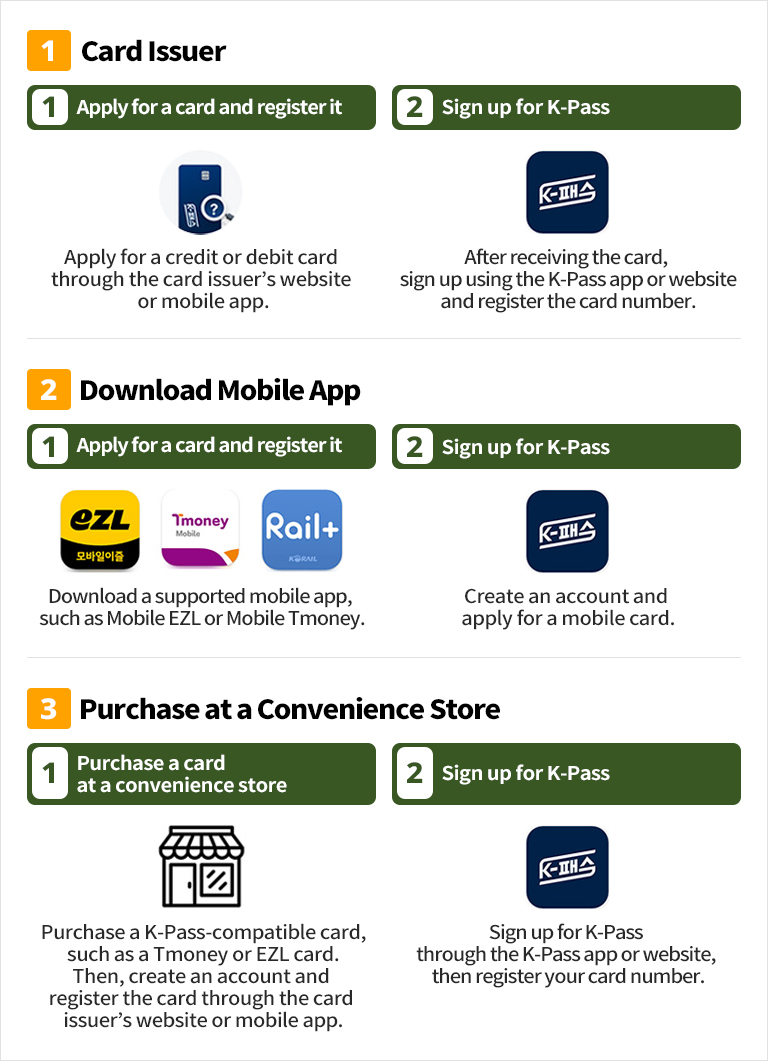
You can apply through 21 local credit card companies, purchase a physical prepaid card at convenience stores for KRW 3,000, or simply download the Mobile T-money app to activate it digitally.
6. What Changed for Tourists?
If you are an expat who just arrived and are still waiting for your ARC, don't worry! The highly popular Short-Term Tourist Passes (1, 2, 3, 5, and 7-day unlimited options) will remain entirely unchanged. You can still buy these at convenience stores to enjoy unlimited transit while settling into Korea.
As Seoul's City Transit Chief Yeo Jang-kwon highlighted, this new integrated policy is "a victory for both the wallet and the planet," setting a streamlined new standard for public transit.
Enjoy navigating South Korea with these optimized savings!