Hello again! This is KOWORK, a foreigner hiring platform in Korea.
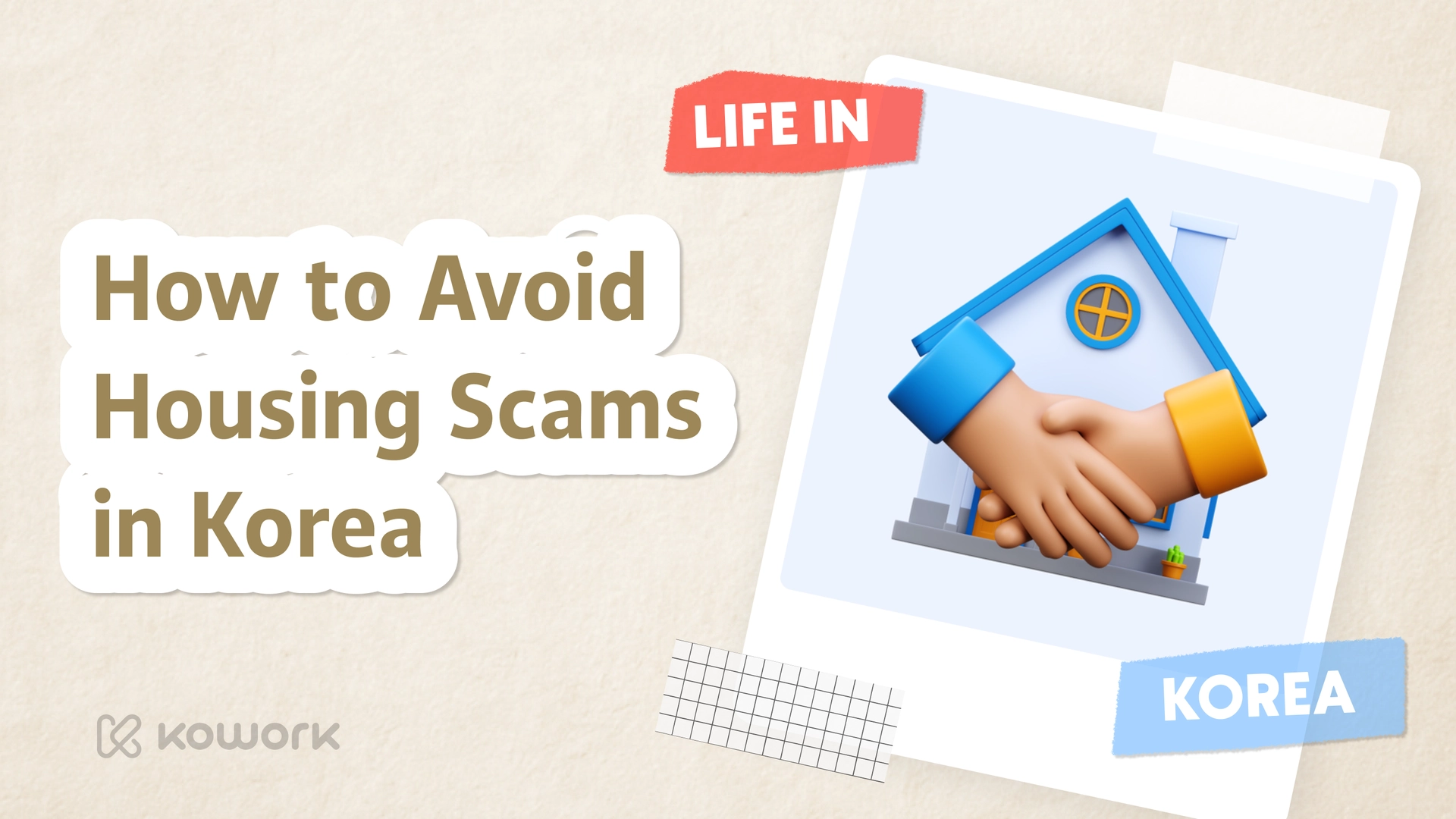
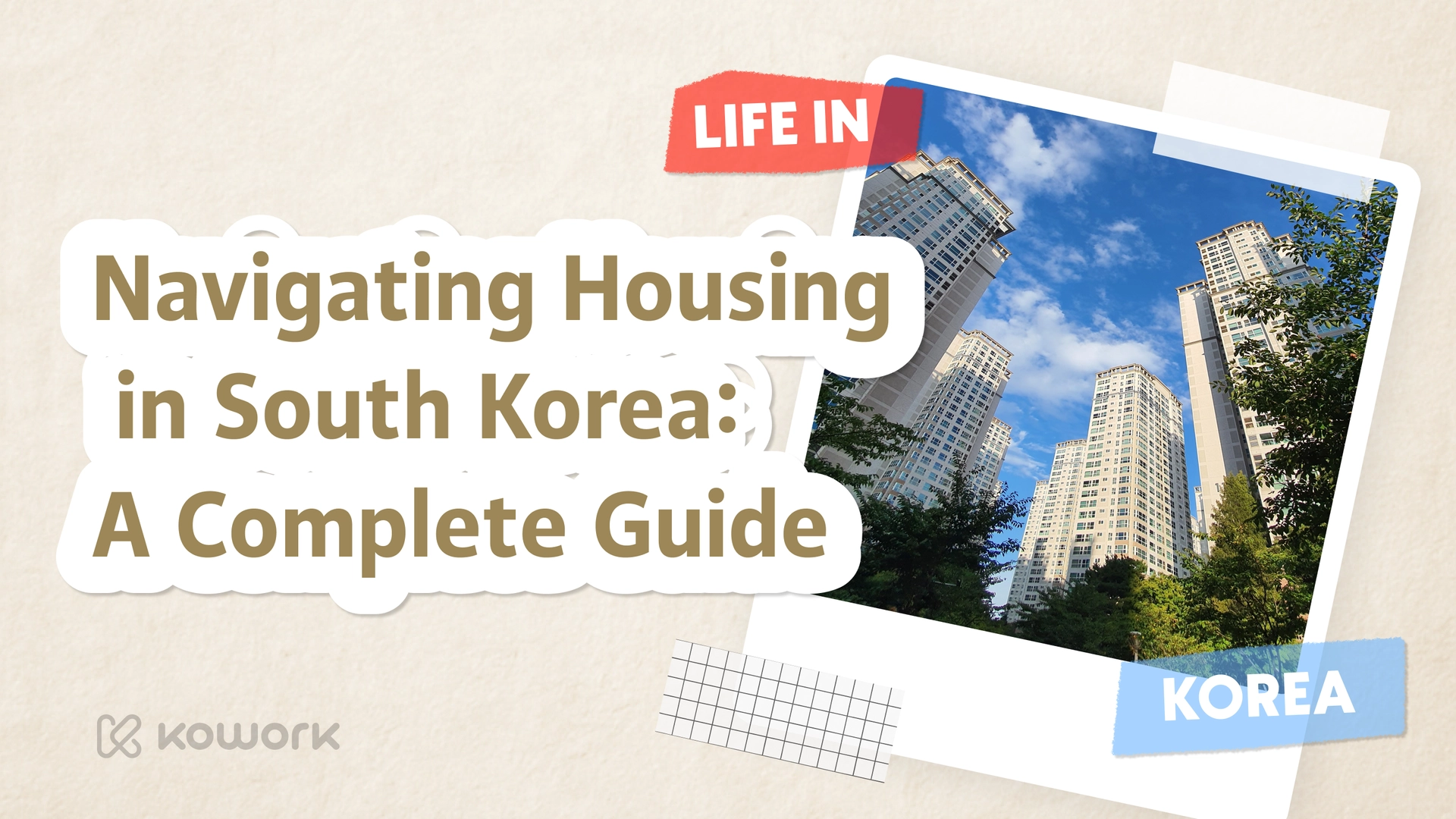
Finding a home in a new country can feel like navigating a maze. From unique lease structures to swift moving logistics, South Korea’s real estate system has distinct rules that every foreign professional, student, and expat should know.
Whether you are relocating to Seoul for work or transitioning to a new neighborhood, this comprehensive guide breaks down everything you need to know about housing structures, house hunting, and moving in Korea.

1. Understanding Korea’s Unique Rental Systems
Unlike many Western countries where standard monthly rent with a small security deposit is the norm, South Korea operates primarily on two distinct lease systems:
- Wolse (월세) — Monthly Rent + Key Money: This is the most common system for foreigners and young professionals. You pay a substantial upfront security deposit (often starting from ₩5,000,000 to ₩10,000,000+) called "key money," alongside a monthly rent fee. The higher your initial deposit, the lower your monthly rent typically is.
- Jeonse (전세) — Key Money Only: A uniquely Korean system where, instead of paying monthly rent, you deposit a large lump sum (often 50% to 80% of the property's market value) with the landlord for the duration of a two-year contract. Upon moving out, your entire deposit is returned.
Pro Tip: For short-term stays (under 6 months) or newcomers without significant local savings, look for Short-term Rentals (단기임대) or Goshitel/Share Houses, which require minimal deposits and simplified terms.

2. Essential Property Types in Korea
When searching for accommodation, you will encounter several types of properties:
- One-Room (원룸) / Studio: The standard choice for single occupants. These compact units usually come partially furnished with standard appliances (refrigerator, washing machine, stove).
- Officetel (오피스텔): Multi-purpose buildings used for both residential and commercial purposes. They offer modern amenities, high security, and central locations, though utility costs (Gwanribe) tend to be higher.
- Villa (빌라): Low-rise apartment units (usually 4–5 floors). They generally offer more space at a lower cost than officetels, though they may lack elevator access or dedicated security facilities.
- Apartment (아파트): High-rise residential complexes favored by families. They offer robust amenities and security but come with higher deposit requirements.

3. Step-by-Step: How to Find Your Home
Here comes the hardest part: actually searching for a house. You have a few main routes to explore:
- Online Platforms: Popular Korean real estate apps like Dabang (다방) and Zigbang (직방) are great for browsing price ranges and photo listings, though actual availability can change rapidly. Naver Real Estate is the ultimate platform for showing every available housing option and its price range; while it isn't the most foreigner-friendly interface, it remains one of the best tools for house hunting. Peterpanz is another popular alternative app.
- Work with a Licensed Real Estate Agent (Gong-in-jung-gae-sa / 공인중개사): Visiting a physical neighborhood agency (Budongsan) is the most reliable route. Local agents know exact vacancies, landlord preferences regarding foreign residents, and true building conditions. The catch? You generally need basic conversational Korean to communicate effectively. Agent fees typically run between 200,000 to 500,000 KRW. Honestly, if you have the resources, local realtors can be your savior.
- Watch out for pressure tactics: A realtor’s primary goal is to seal the deal. If they show you a house within your price range, they may push you to sign immediately, warning you that it could be gone in an hour. Do not rush! Take your time and tour as many houses as possible. Sometimes, the least expected property ends up being your favorite.
- Facebook Groups: Checking expat Facebook groups can actually be a goldmine. Many people have to leave Korea urgently due to family or health issues, forcing them to break their contracts midway through the year. They need a replacement tenant immediately to avoid paying rent until the contract ends—meaning you could swoop in, take over the lease, and skip paying realtor fees entirely.
Here are some facebook groups for finding houses :
Housing in Seoul - Main biggest (room rent, 부동산 직거래, 월세, 쉐어하우스, 전세, 매매)
Housing for International Students in Korea
and sometimes even Every Expat in Korea
- Watch out for scams: Facebook is also the easiest platform for fraudulent listings. Never send money before signing a contract. Once you've viewed a property and are ready to move forward, always verify the Building Registry (Deung-ki-bu-deung-bon / 등기부등본). This document proves who legally owns the property and discloses whether the landlord has significant debt attached to the building, acting as vital insurance for your key money.
- Check the Maintenance Fees (관리비): Always ask what the monthly maintenance fee includes. Some cover internet, water, and building upkeep, while gas and electricity are billed separately.
All these are confusing and scary for foreigners, we know.
Feeling overwhelmed? You don’t have to do this alone.
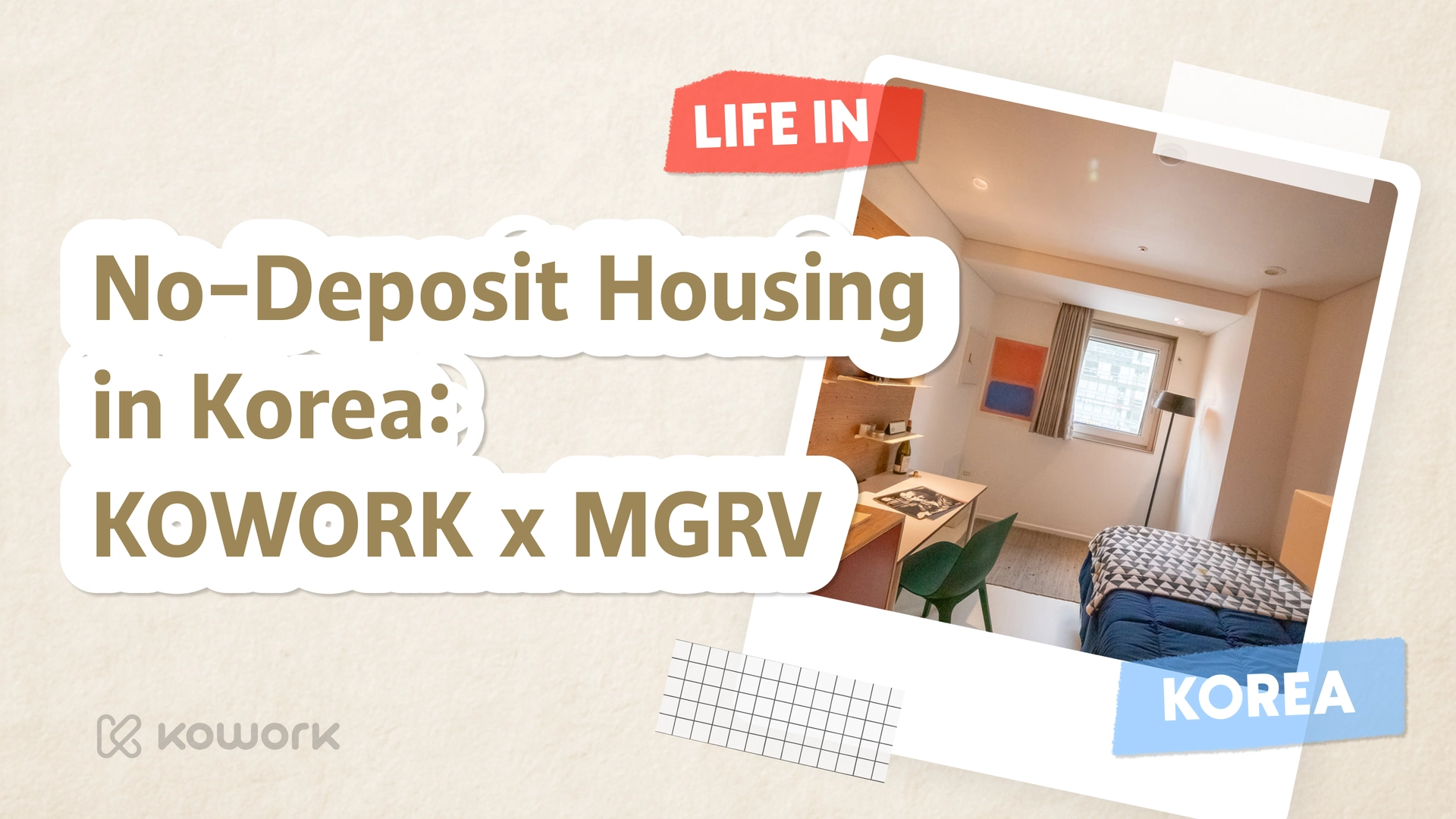
If navigating local agencies, language barriers, and legal registries feels like too much, KOWORK x DiverCity HOUSE is here to take the weight off your shoulders. They provide a full-service, foreigner-friendly housing experience so you can rent with complete peace of mind:
- Verified Foreigner-Friendly Listings: No more awkward rejections—they only recommend landlords who welcome international residents.
- In-Person Home Inspection: They conduct a thorough 42-point check on every property (from water pressure to hidden dampness) before you commit.
- Zero Language Barriers: An English-speaking agent goes with you to every viewing and stands by your side through the entire lease-signing process.
From finding the right place to making sure your deposit is safe, KOWORK makes house-hunting in Korea completely stress-free.
After Finding Your House: Moving Day Checklist
Once you've secured your place, keep these essential steps in mind:
- Coordinate Utility Finalization: Ensure the outgoing tenant or landlord settles all gas, electricity, and water bills up to the day of your move-in.
- Schedule City Gas Service: Gas services in Korea require a technician to physically inspect and open the gas valve for heating and stove use. Schedule this appointment a few days in advance.
- Update Your Address: Under Korean immigration regulations, foreign nationals must report a change of residence within 14 days of moving to avoid penalties.
- Get Your Fixed-Date Stamp (Hak-jeong-il-ja / 확정일자): Once you sign your contract and complete your address change at your local community center (Jumin Center), make sure to get a fixed-date stamp stamped on your contract. This legally protects your key money under Korean law.
We know the real estate process in Korea can feel overwhelming at first, but with the right tools—and the right support—you'll be settled into your new place before you know it.
Safe travels and happy home hunting! 🔑🇰🇷