Hello! This is KOWORK, a job platform built for foreigners navigating the job market in Korea.
If you are a foreigner living in Korea, or someone learning Korean, you have probably heard about TOPIK more times than you can count. For many Korean learners, it feels like the ultimate end goal and for some test takers, it can feel genuinely traumatic.
By the end of the exam, you may find yourself hearing nothing but:
“다음을 듣고… 물음에 답하십시오.”
Jokes aside, TOPIK is a challenging exam that tests your Korean language skills across listening, reading, and writing.
In our previous article, we explained what TOPIK is, how the different levels work, and how your score is calculated. Click here to read it first.
This time, we're going a step further.
Rather than simply explaining what TOPIK is, we're going to focus on how to actually prepare for the exam, what resources you can use, and what you should focus on if you're aiming for TOPIK 6.
🎧 Listening
For many Korean learners, listening can eventually become one of the more manageable sections, especially if you have spent a lot of time watching Korean content. Thanks, K-dramas?
The beginning of the listening section is relatively straightforward, but the questions gradually become more difficult. By the final questions, you may feel like the Korean language has suddenly stopped being a language you understand.
So, how can you prepare yourself to understand what is being said even when the questions get difficult?
Practice Makes Perfect
The simplest answer is: listen Korean. A lot of Korean.
Listen to podcasts, YouTube videos, interviews, documentaries, and, when you are feeling particularly ambitious, the news.
The goal is not just to understand individual words. You need to become comfortable with natural Korean speech, different speaking styles, unfamiliar vocabulary, and longer explanations.
You can find popular Korean podcasts on Podbbang. Choose topics you actually enjoy and listen regularly. It can also be useful to listen to podcasts about topics such as politics, nature, science, culture, and art, as TOPIK often uses informational and academic-style subjects rather than everyday conversations.
Not a podcast person?
Try watching Korean dramas or YouTube videos with Korean subtitles. The important thing is to expose yourself to Korean as much as possible.
But passive listening alone isn't enough.
Practice With Past Exams
TOPIK listening has 50 questions, and the questions gradually increase in difficulty. Since the harder questions do not give you extra points, building enough accuracy on the easier and medium-difficulty questions is important.
And, of course:
Practice. Practice. Practice.
Complete as many past papers as you can. This will help you become familiar with the question types, pacing, vocabulary, and overall rhythm of the exam.
You can find previous TOPIK questions on the official TOPIK website.
Some Practice Resources:
- 🎧Podbbang
- 📺 Ted-talk Korea
- 🎬 K-dramas with Korean subtitles → You can use this google extension Language Reactor while watcing netflix or youtube videos
- 📝 Official TOPIK past papers
📖 Reading
The reading section starts relatively gently. Early questions may ask you to identify appropriate vocabulary, grammar, or expressions.
As you move toward the end of the exam, however, the texts become longer, the vocabulary becomes more difficult, and the amount of information you need to process increases.
And then comes the real problem:
Time.
You don't just need to understand Korean. You need to understand Korean quickly.
Learn How the Questions Work
For this section, one book I would recommend is 한국어 합격 레시피.
The book is useful because it doesn't only teach vocabulary and grammar. It also explains strategies for approaching different question types, along with important vocabulary for each part.
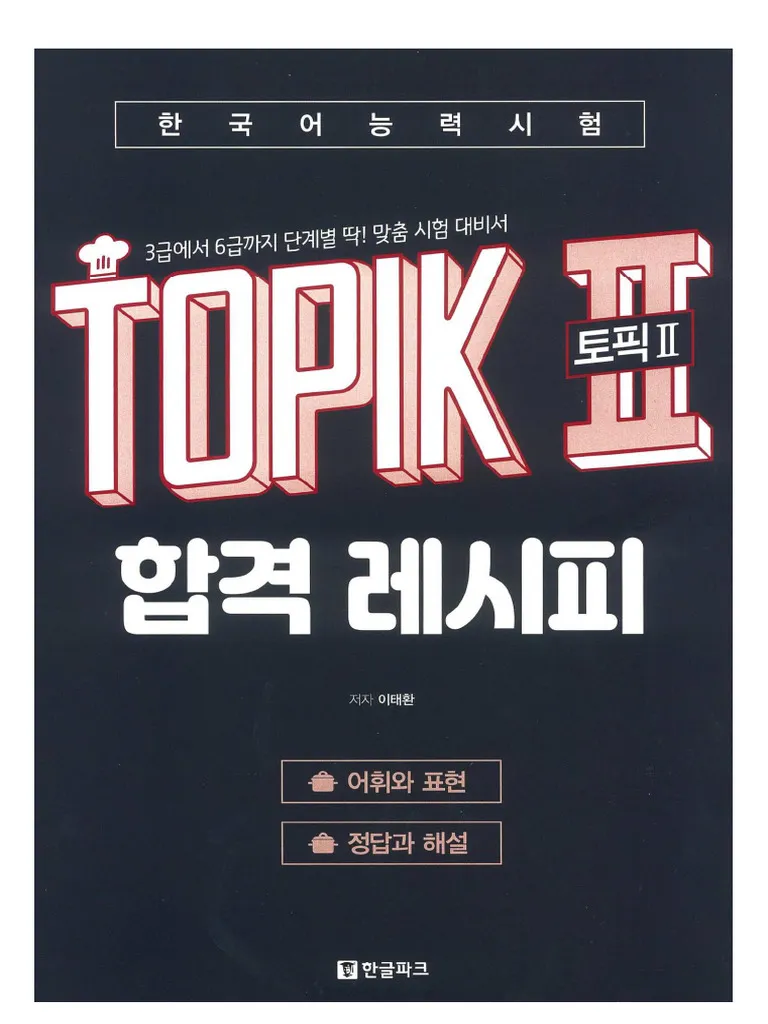
This is particularly useful for TOPIK because sometimes knowing Korean isn't enough. You also need to understand what the question is actually testing.
Read More — But Read Strategically
You can also use resources such as Readlang to improve your reading.
Readlang allows you to read articles and other materials while quickly checking unfamiliar vocabulary. You can click on words you don't know and see their meanings without completely interrupting your reading.
You can also upload your own books and materials to your library.
If you hate reading because you feel like you have to stop every two seconds to look up a word, a tool like this can make the process much less frustrating.
But again, the most important thing is:
Practice. Practice. Practice.
Complete past exams and, most importantly, practice under time pressure.
You do not have unlimited time to understand every sentence perfectly. If you spend several minutes trying to understand one paragraph, you may lose the time you need for several other questions.
You don't need to understand every single word. You need to understand enough to find the answer.
✍️ Writing
And now we arrive at the section that causes many Korean learners the most pain:
Writing.
Writing an essay about a topic you've never thought about before is difficult in any language. Doing it in a language you're still learning? Even harder.
And honestly, Korean learners aren't the only ones who find it difficult.
Koreans have to know how to write Korean properly too.
Understand the Question Types
The first two questions are relatively straightforward fill-in-the-blank questions.
Question 53 asks you to describe information presented in a graph or other visual format. This is a relatively short piece of writing, but you still need to follow the expected structure and use appropriate expressions.
And then there is Question 54.
The essay.
The final boss.
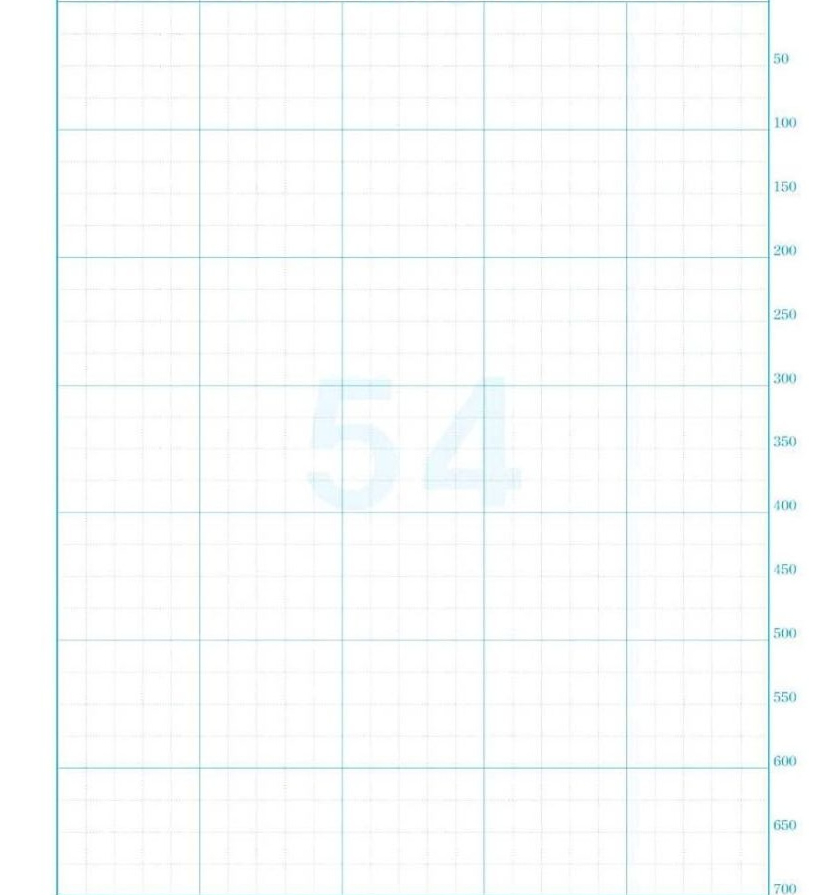
Question 54 requires you to write a longer essay about a given topic. You need to understand the question, organize your argument, use appropriate vocabulary, and write in the formal written style expected in Korean.
Not only writing an essay but writing that essay to “원고지” which has its own set of rules that you need to follow and write the whole essay in written Korean, including sentence endings such as -다, rather than conversational endings such as -요.
Learn the Structure — Don't Just Memorize Essays
The best way to prepare is to understand how each question works and what the examiner is looking for.
Two books I would recommend are:
- 토픽 쓰기의 모든 것
Cracking the TOPIK II Writing
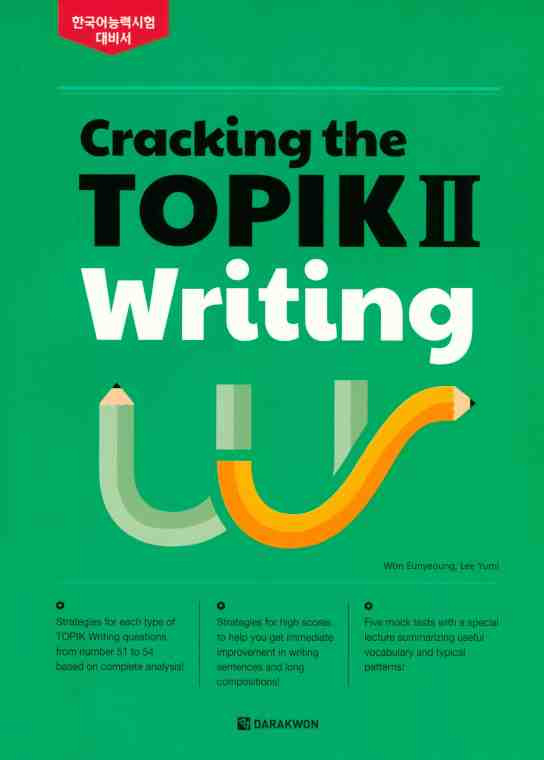
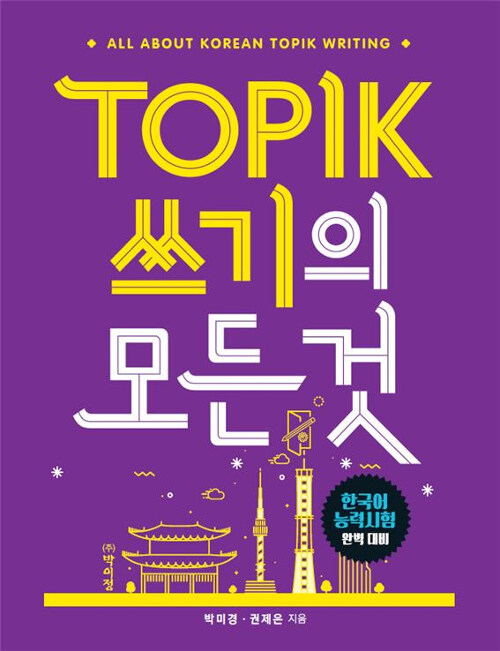
Both books explain structures, strategies, and useful expressions for TOPIK writing.
I would recommend using both if you have enough time, especially because writing improves through practice.
And don't just read model answers.
Write.
Write essays, compare them with model answers, identify your weaknesses, and rewrite them.
🗣️ Bonus: TOPIK Speaking
If you didn't know, TOPIK also has a speaking test.
However, TOPIK Speaking is separate from the standard TOPIK test, so you need to apply for it separately.
Since it is a relatively newer addition to the TOPIK system, there are fewer study resources available compared with TOPIK I and TOPIK II.
For the most accurate and up-to-date information about the speaking test, check the official TOPIK website.
🎯 So, How Do You Actually Get TOPIK 6?
Getting TOPIK 6 isn't simply about memorizing thousands of Korean words.
You need a combination of language knowledge, exam familiarity, speed, and strategy.
A useful approach is:
1. Take a full past exam first
Before changing your entire study routine, find out where you actually stand.
2. Find your weakest section
Are you losing points because you don't know enough vocabulary? Are you too slow at reading? Is writing your biggest problem?
Your study plan should depend on your weaknesses.
3. Build vocabulary from your mistakes
Don't just memorize random lists of TOPIK vocabulary.
When you get a question wrong, write down the words and expressions you didn't know and review them later.
4. Practice under real exam conditions
Knowing the answer at home is not the same as finding it when you're sitting in an exam room with a clock running.
Practice with the actual time limits.
5. Analyze your mistakes
Don't just check your score.
Ask yourself:
Why did I get this question wrong?
Was it vocabulary? Grammar? Misreading the question? Lack of time? Not understanding the passage?
That's where your biggest improvements can come from.
6. Repeat
Take another past exam.
Find your weaknesses.
Practice.
Take another one.
Repeat until the format itself starts to feel familiar.
💡 Final Tips From a TOPIK Veteran
- Don't study everything equally. Focus on where you're actually losing points. Don’t focus on something you do very well ( like listening) Instead analyze yourself well.
- Don't ignore writing. It can make a huge difference to your overall score.
- Don't spend forever on one reading question, if you think answer is right it is right!
- Past papers are your best friend.
- Learn formal and academic vocabulary, not just everyday Korean.
- Practice writing before exam day. Don't expect to improvise a 54 essay.
Good Luck!
TOPIK can be intimidating, especially when you're aiming for the highest level. But the exam becomes much less scary once you understand how it works and practice it enough.
You don't need to become perfect at Korean overnight.
You need to study strategically, practice consistently, and learn from your mistakes.
And hopefully, after enough practice, the sentence
“다음을 듣고… 물음에 답하십시오”
will stop haunting your dreams.
Good luck with your next TOPIK exam! 🍀
Getting TOPIK for finding a job in Korea? Check out the job opportunities in KOWORK.
However, KOWORK is more than just a job platform, it's your guide to living in Korea.
Visit our website to read our latest blogs, ask questions in the community tab, and get first-hand advice from experienced expats!
Have questions? Reach out to KOWORK today.