Hello! This is KOWORK, a job platform built for foreigners navigating the job market in Korea.
What Is Chuseok? Korea's Harvest Festival, Explained
If you're living in Korea or working with Korean colleagues, you've probably noticed the office suddenly goes quiet for a few days in September or October. That's Chuseok and it's a big deal. Here's everything you need to know about one of Korea's most important holidays.
What is Chuseok?
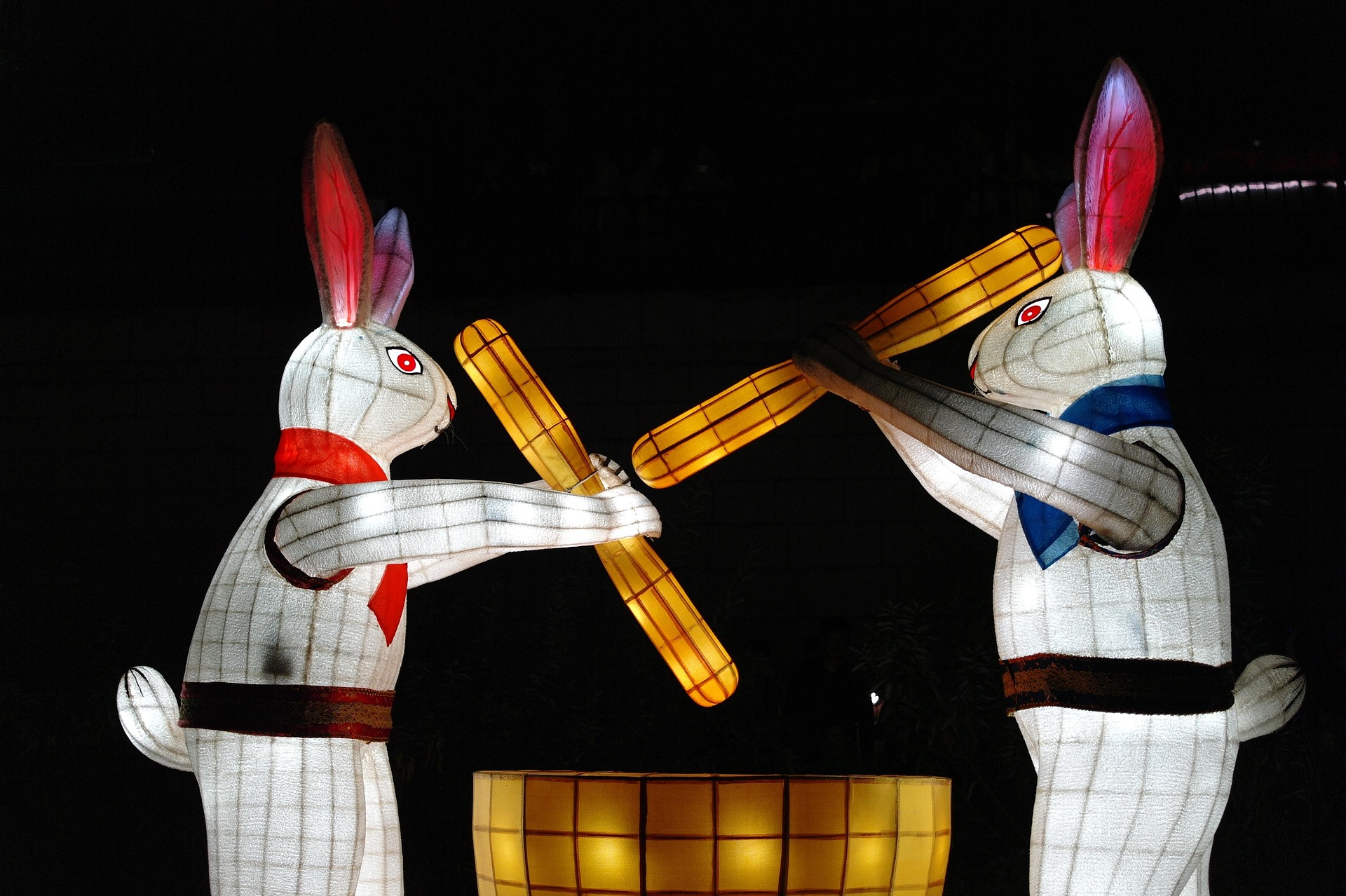
Chuseok (추석) is often translated as "Korean Thanksgiving," and while that's a helpful shorthand, it doesn't fully capture what the holiday means. Chuseok falls on the 15th day of the 8th month of the lunar calendar — the night of the full harvest moon — which typically lands somewhere between mid-September and early October on the Western calendar. Because it follows the lunar calendar, the exact date shifts every year.

At its heart, Chuseok is a harvest festival. Historically, it was a time for farming communities to give thanks for a successful year's harvest and to honor their ancestors for watching over the family. Today, even though far fewer Koreans farm for a living, those two threads gratitude and ancestor veneration are still very much at the center of the holiday.
Chuseok is officially a three-day holiday (the day before, the day of, and the day after), and it's one of the only times of year when nearly the entire country pauses at once. Offices close, schools close, and public transportation gets packed as people make their way to their hometowns.
How do Koreans celebrate it?
Charye — the ancestral memorial rite
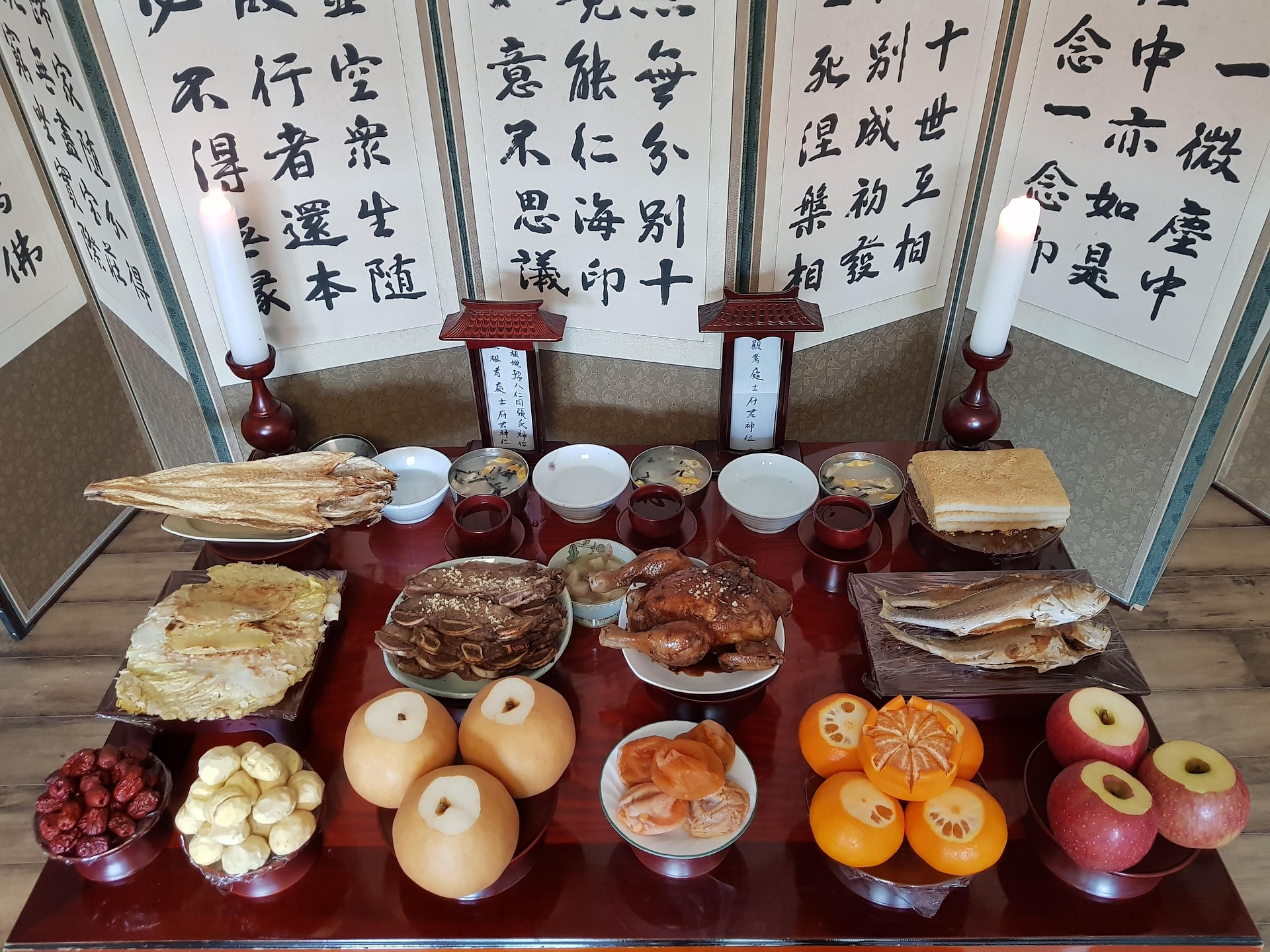
On the morning of Chuseok, many families perform a ritual called charye (차례), setting up an elaborate spread of food on a table as an offering to deceased ancestors. The setup is surprisingly precise, different foods are placed in specific positions according to tradition, and the rules can vary a bit by region and family. It's less a somber ceremony and more a way of inviting ancestors to symbolically join the family for a meal.
Songpyeon — the iconic rice cake
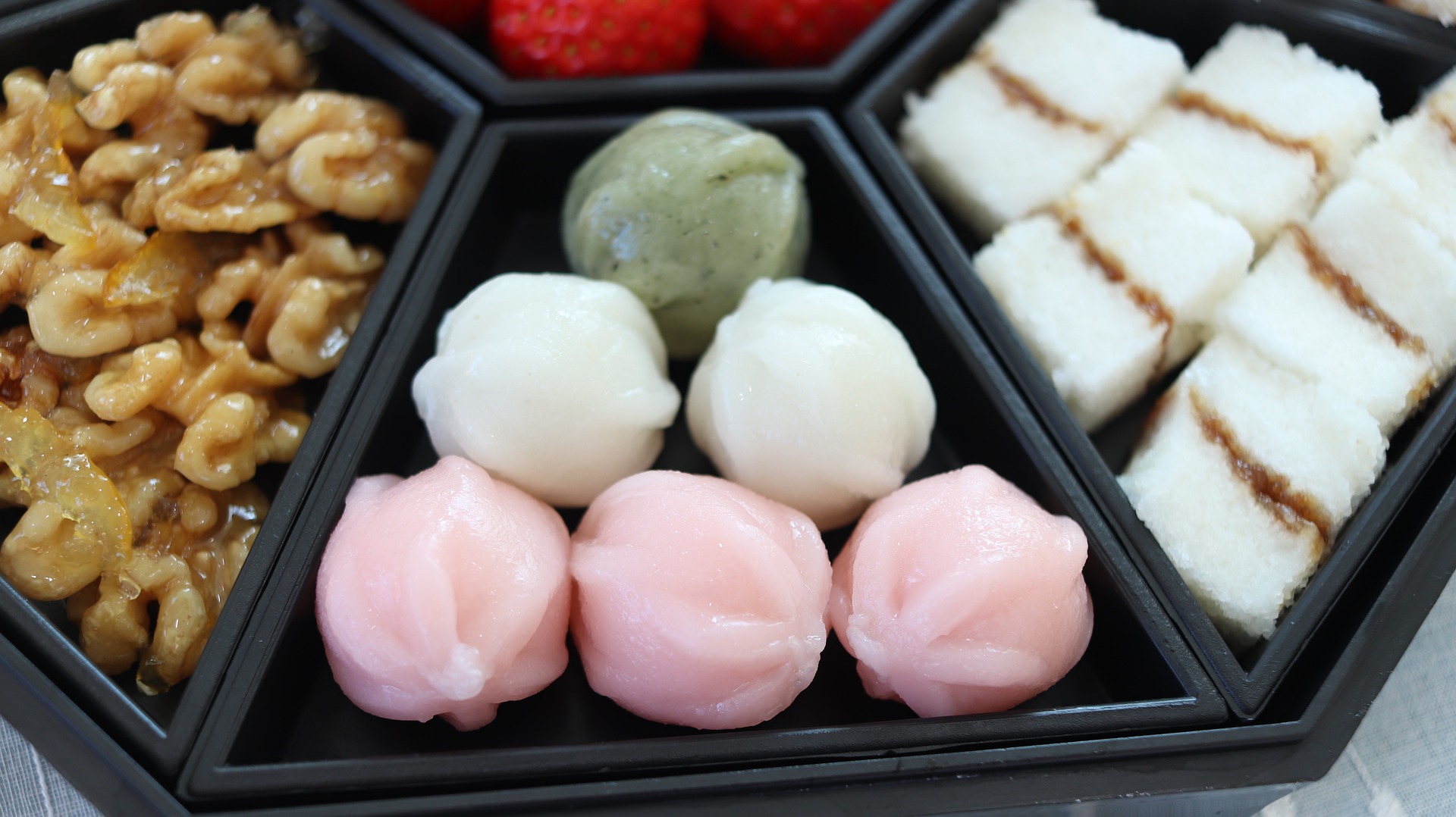
No Chuseok is complete without songpyeon (송편), small half-moon-shaped rice cakes usually filled with sesame seeds, chestnuts, or sweetened red beans. There's an old saying that whoever shapes a pretty songpyeon will have a beautiful daughter or meet a good spouse — which is part of why making songpyeon together, especially with kids, is such a cherished family activity. The cakes are steamed over pine needles, which gives them a faint, distinctive fragrance.
Gwiseong — the great hometown migration
Chuseok triggers one of the largest mass movements of people in the world for its size. Millions of Koreans make the trip back to their hometowns, a journey known as gwiseong (귀성). This is also when Korea's infamous holiday traffic hits its peak — a drive that normally takes a few hours can stretch to twelve or more. Despite the hassle, it's considered an essential part of the holiday; being with family matters more than convenience.
Seongmyo — visiting ancestral graves
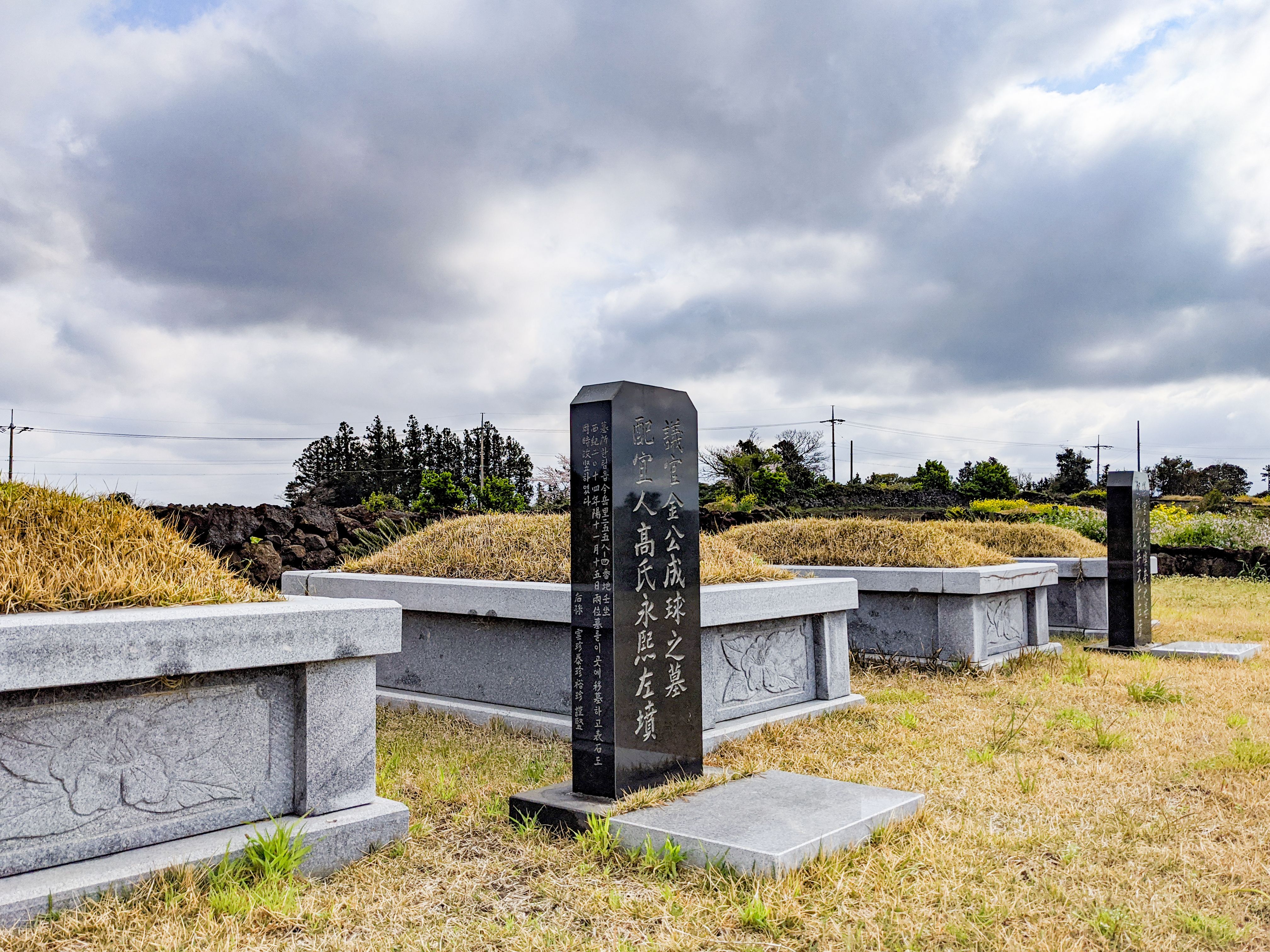
Many families also visit and tend to ancestral gravesites, a practice called seongmyo (성묘). This usually involves clearing overgrown grass and weeds from the burial site and offering a quiet moment of respect — a way of maintaining the connection between generations.
Regional traditions and folk games
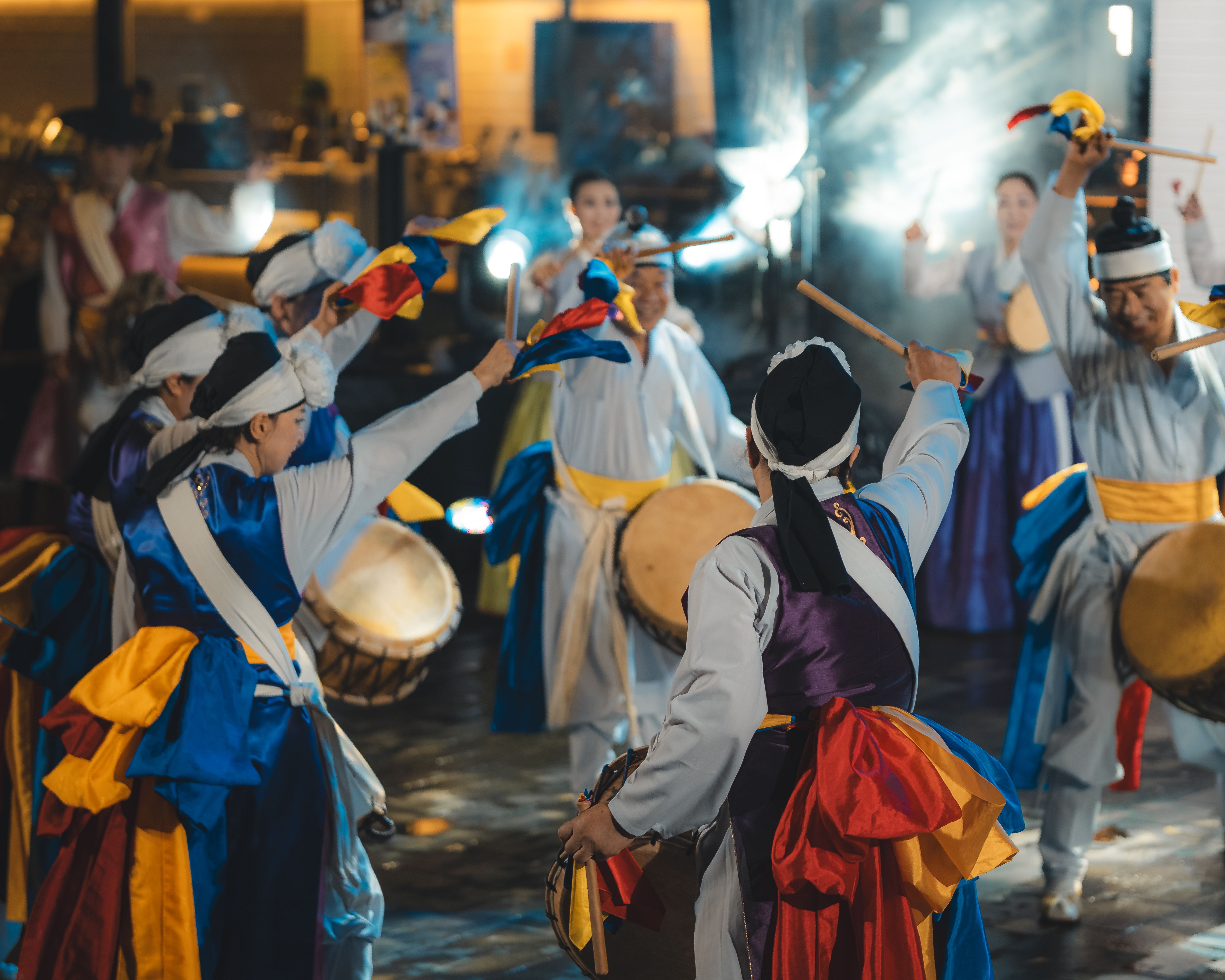
Depending on where you are in the country, you might see older, more traditional customs still alive — like ganggangsullae, a circle dance performed by women under the full moon, historically associated with the southwestern coastal regions. Some families also wear hanbok for the holiday, especially for the charye ceremony or family photos.
Chuseok culture in Korean companies
Chuseok isn't just a family holiday, it has its own distinct workplace culture, and understanding it is genuinely useful if you work at (or with) a Korean company.
Gift-giving season
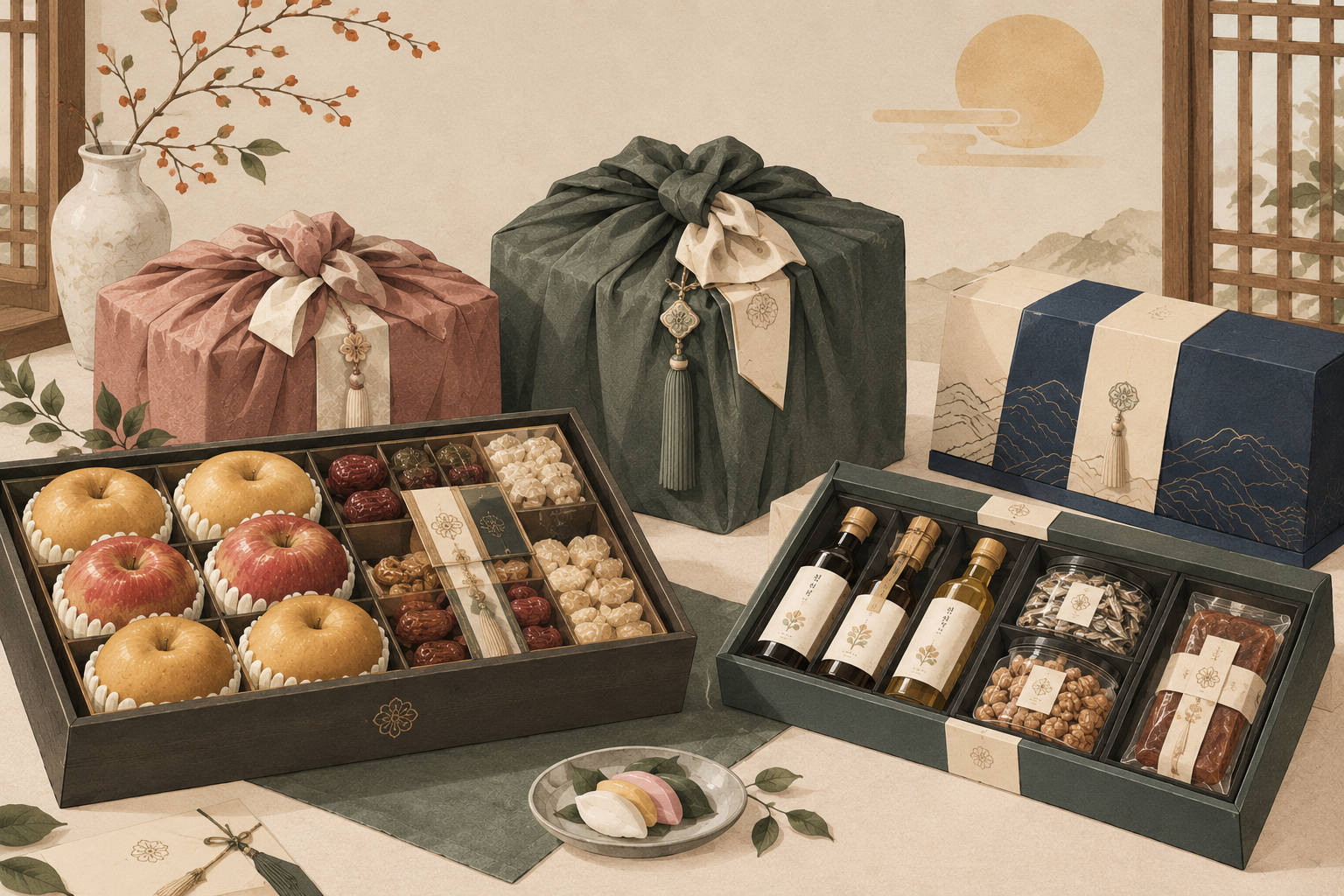
In the weeks leading up to Chuseok, gift sets become a huge part of daily life. You'll see elaborate displays in every grocery store and department store. Companies commonly give Chuseok gift sets (추석 선물) to employees as a thank-you gesture. Classic choices include Spam gift sets (genuinely one of the most popular corporate gifts in Korea), canned tuna, fruit boxes, or beauty and skincare sets. It might sound unusual to newcomers, but these gifts are taken seriously and often reflect the company's budget and how much they value their employees.
Extended holidays
Beyond the official three-day break, many companies encourage or allow employees to take additional annual leave right before or after Chuseok to make a longer trip home possible, especially for employees whose hometowns are far from Seoul.
Client and partner gifts
It's also standard practice for companies to send Chuseok gift sets to clients, vendors, and business partners, similar to how some Western companies send holiday cards or gifts in December. It's a relationship-maintenance ritual as much as a generous gesture.
A message from leadership
Around this time, it's common for company leadership or HR to send out a "Happy Chuseok" message to the whole team, sometimes accompanied by a small bonus or the gift set mentioned above.
For foreign employees
If you're a foreign employee at a Korean company, Chuseok can feel a little unfamiliar at first. You may not have anywhere to travel to, and the holiday customs can seem opaque from the outside. Many companies make an effort to include international staff in gift distributions and informal celebrations, and it can be a great opportunity to ask a Korean coworker about their own family traditions, or even try making songpyeon yourself.
Final thoughts
Chuseok is a wonderful window into what Koreans value most: family, gratitude, and honoring those who came before. Whether you're celebrating it yourself, working around the holiday schedule, or just curious about the culture, understanding Chuseok gives you a much richer picture of life in Korea.
Frequently Asked Questions
Is Chuseok the same date every year?
No. Since it follows the lunar calendar, the exact date shifts each year on the Western calendar, though it always falls in September or early October.
How long is the Chuseok holiday?
Officially three days — the day before, the day of, and the day after. Many people extend it further using annual leave.
Do all Korean families still perform charye?
Not all. While charye remains common, especially among older generations, many younger or urban families have simplified or skipped the ritual, and some now celebrate more casually with a family meal instead.
What should I say to someone for Chuseok?
A simple and common greeting is "즐거운 추석 보내세요" (Have a happy Chuseok) or "풍성한 한가위 되세요" (Have an abundant Chuseok).
Is Chuseok similar to Seollal (Korean New Year)?
They're often compared since both are major lunar-calendar holidays centered on family and ancestral rites. The main difference is timing and theme — Seollal marks the new year, while Chuseok celebrates the harvest.
What do foreigners in Korea usually do during Chuseok?
Since most shops and restaurants close and public transportation is packed, many foreigners without family in Korea use the holiday to travel, relax at home, or join Korean friends/coworkers who invite them to celebrate.
Do I need to give a gift if I'm invited to a Korean family's Chuseok gathering?
It's a thoughtful gesture, though not strictly required. A small gift like fruit, a beverage set, or sweets is common and appreciated if you're invited as a guest.
💼 KOWORK is more than just a job platform, it’s your guide to living in Korea.
Visit our website to read our latest blogs, ask questions in the community tab, and get first-hand advice from experienced expats!
Have questions? Reach out to KOWORK today!