Opening a bank account is a hassle anywhere in the world, but in South Korea, the process comes with a unique set of hurdles.
Ironically, because Korea's digital ecosystem is so incredibly advanced, a local bank account is practically mandatory for daily survival, whether you're ordering late-night delivery, receiving a university scholarship, or getting paid by your employer.
To get one, you'll need to physically bring a mountain of paperwork, and every single document must list your name exactly the same way. This is all due to strict global regulations known as Know Your Customer (KYC). But what exactly does this requirement mean for you?
1. Why Opening a Bank Account in South Korea is Hard (The ARC Loop)
In 1997, South Korea passed the Act on Real Name Financial Transactions and Confidentiality. This law mandates that all financial transactions be conducted under verified real identities.
Because of this, banks must perfectly verify your full name, identity number, address, and phone number. To open an account, the bank requires a phone number registered under your legal name.
Here is where the frustrating loop begins:
- You cannot get a postpaid SIM card under your name without an Alien Registration Card (ARC).
- You cannot easily get your ARC without a permanent address or a bit of time (it usually takes 3 to 6 weeks).
- The bank wants your ARC and phone number to open an account, but the phone provider wants your bank account to bill you.
It is an endless loop that can be incredibly overwhelming, especially if your Korean isn't advanced enough to navigate complex banking terms.
2. How to Open a Bank Account: Your Essential Document Checklist
To open your account, you will need to physically visit a bank branch. Before you walk out the door, make sure you have this precise checklist in hand:
- Valid Passport (and your physical ARC, if you have it)
- A Mobile Phone Number registered legally under your exact name
- Proof of Address (your housing rental agreement or a dormitory residency confirmation letter)
- Proof of Purpose / Occupation (a Certificate of Enrollment for students, or an Employment Contract/Certificate of Employment for workers)
The Invisible Wall: The Missing ARC
Here is the biggest hurdle: if you just landed in Korea, you won't have your physical Alien Registration Card (ARC) yet. The bank will ask for it, and they will want a phone number that is actively linked to it.
Naturally, the best move is to book your immigration appointment and apply for your ARC the second you arrive. But what if you can't wait 3 to 6 weeks? What if you need a bank account right now to receive an urgent stipend, scholarship, or salary payment?
While policies can vary slightly from one branch to another, you don't have to stay stuck in financial limbo. Even though the phone-and-ARC loop feels like a dead end, there are proven workarounds. Let’s break down exactly how you can bypass this cycle.
3. Setting Up a Bank Account in Korea Without an ARC : Your Essential Document Checklist
Step 1. Prepaid Sim Cards
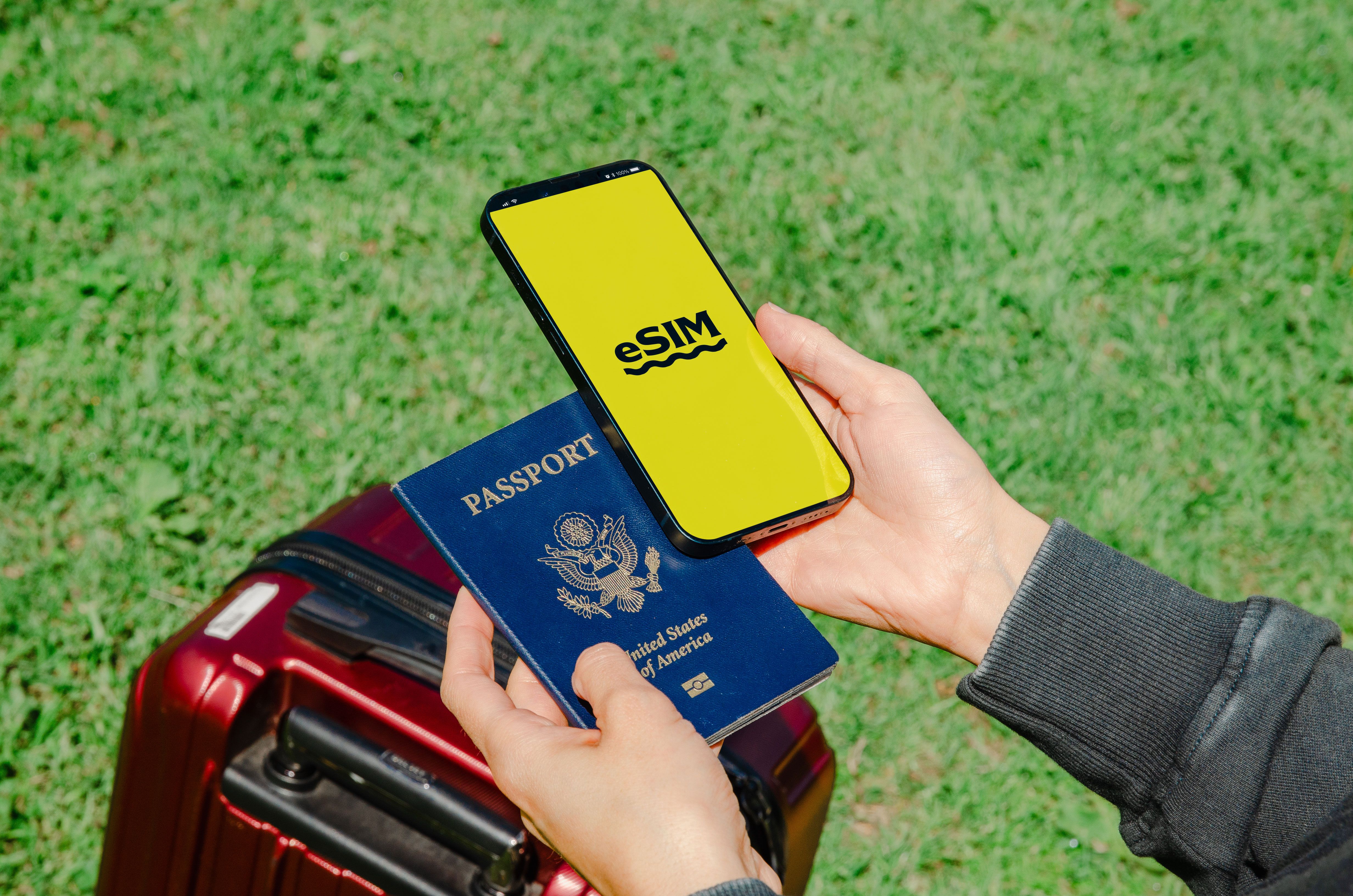
Due to strict identity verification laws in South Korea, almost every standard postpaid mobile plan must be registered directly to an ARC. However, there is a crucial exception to this rule: Prepaid SIM cards.
Because prepaid plans don't require automated monthly billing from a local bank account, major telecom providers will allow you to open a line using just your valid passport. This grants you a legal phone number under your name right away, without needing to wait for your physical residency card.
⚠️ Crucial Warning on Name Matching: When the store clerk enters your information, ensure they type your name exactly as it appears on your passport—including all middle names and spacing. In Korea, your mobile identity is used to log into apps and websites. If even a single letter or space differs between your phone registry and your future ARC, your identity verification will fail, locking you out of vital digital services.
How to Avoid the Up-Sell
Because standard corporate storefronts prefer selling expensive long-term contracts, many retail employees might tell you that prepaid options are unavailable. To save time, bypass standard residential neighborhoods and head straight to foreigner-centric hubs:
- Expat Districts: Visit flagship telecom stores in areas like Itaewon, Hongdae, or near major international districts where staff handle passport registrations daily.
- On-Campus Kiosks: If you are an international student, look for global student services or mobile provider booths right on your university campus during orientation week. They specialize in this exact workaround.
Once your line is active, you will have a functional phone number registered under your name. Don't worry about losing it later: once your physical ARC finally arrives, you can simply visit a store to update your registration details without changing your phone number.
For smart data plans, you can also check out the latest LGU+ Mobile Contract and Data Events
Now that you have your phone number, you are ready for the next move.
Yes, you can still open a bank account in South Korea even if you don't have your Alien Registration Card (ARC) yet! While the process requires a bit more paperwork than usual, it is completely doable and well worth the effort.
To get started, you will need to prove that you are living in Korea on a long-term visa (such as a D-2 student visa or an F-2 resident visa). When you visit the bank, you must bring two main types of paperwork: Proof of Residence and Proof of Financial Purpose.
Here are the documents banks typically accept:
- Proof of Residence: A Certificate of Employment stating your residence, a recent utility bill receipt, a business registration certificate, a long-term hotel voucher, or an official hospital reservation document.
- Proof of Financial Purpose: An employment contract, a Certificate of Income Amount, a Certificate of Employment, or a Certificate of Admission/Scholarship Acceptance (for students).
The Process:
The bank teller will ask for a phone number registered under your legal name. Once you provide that and they process your paperwork, you will be able to walk out with your new check card (debit card) that same day.
Important Note: There is one major catch. Due to international banking regulations, certain countries are restricted from opening bank accounts in Korea without an ARC. If your home country is on this specific list, you unfortunately will not be able to open an account until your physical ARC arrives.
Step 2. The Expat Friendly Banks in Korea
Opening a bank account can be stressful if you don't speak Korean. Fortunately, several foreign-friendly banks offer excellent English customer service, English-language mobile apps, and even designated international branches.
That being said, the best bank is often the one closest to you. If you are a student or an expat, visiting a bank branch located right inside your university campus or workplace is highly recommended. The staff at these specific branches handle these exact situations every single day and will completely understand your situation.
However, if you feel you need guaranteed English guidance, here are the best places to go:
- Shinhan Bank (SOL Global App): They feature "Digital Lounges" where you can get English video-counseling on-screen while an on-site staff member guides you through the physical machine.
- Top Branches: Seoul National University Station branch or Gocheok Intersection branch.
- Hana Bank (Hana EZ App): Highly rated for its English interface.
- Top Branches: Itaewon Branch, Seoul International PB Center (Yeoksam), or the Samsung Joongang Station Branch.
- Woori Bank (WON Global App): Offers a robust foreign-only call center.
- Top Branches: Gangnam Global Investment WON Center or the Gwanghwamun Global Center.
Explore our exclusive Kowork Debit Card Promotions for Foreigners

Step 3: Digital Solutions
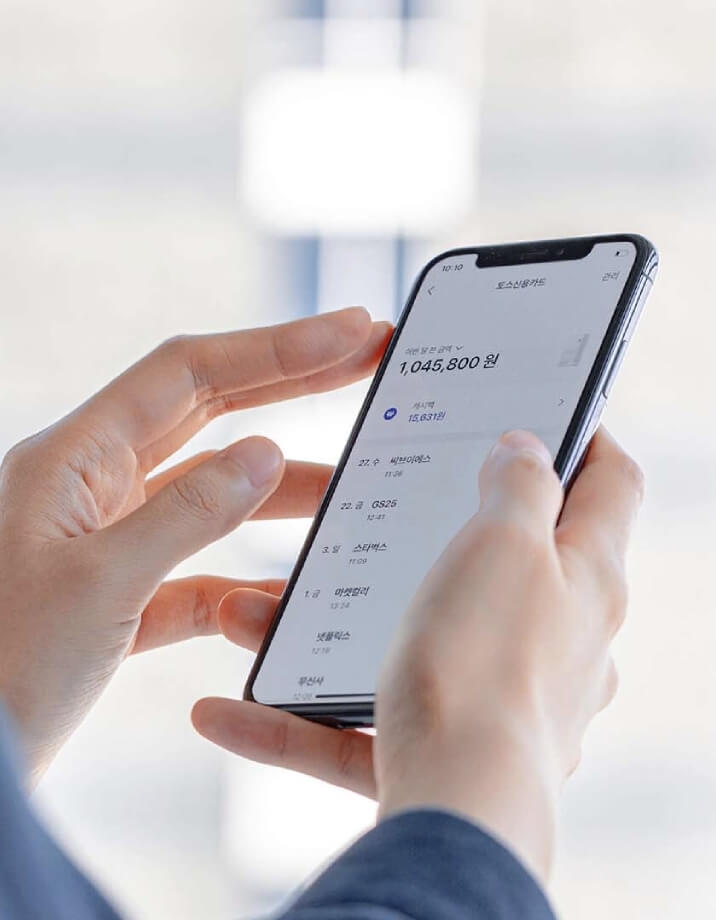
Navigating physical bank branches and explaining your situation in a new language can be incredibly draining. If you want to bypass the queues entirely, South Korea’s premier digital financial platform, Toss Bank, offers an excellent mobile-first solution.
One of the greatest advantages of Toss Bank is that it operates entirely online. There is no need to stand in line at a physical branch or struggle to navigate complex administrative processes in Korean.
Depending on what stage of the moving process you are in, you can utilize the app to ease your transition:
- Before Your ARC Arrives: If you simply need an account to handle basic banking services such as receiving money from abroad, making local transfers, or setting up mobile payments, you can initiate your setup before your physical ID card is issued. For initial identity verification, an e-passport is sufficient, allowing you to establish a secure digital presence in the app.
- Unlocking Full Features: To access the exact same competitive interest rates, unlimited free transfers, and full-scale features that locals enjoy, you will eventually need to link both your permanent Alien Registration Card (ARC) and a Korean phone number registered under your name.
The best part? Once your physical ARC and permanent phone number are finally ready, you can instantly update your account information and unlock the full suite of banking features directly inside the app. A sleek, physical Toss debit card will be mailed straight to your doorstep—all without you ever having to step foot inside a traditional bank lobby.
4. Insider Pro-Tips & Common Pitfalls
Before you head out to tackle the Korean banking maze, keep these final golden rules in mind to save yourself a second trip to the branch:
The Space & Hyphen Rule: When registering your prepaid SIM card or filling out bank forms, your name must match your passport letter-for-letter. If your passport says SMITH JOHN JAMES, do not type it as SMITH JOHN or JOHN SMITH. Even a missing space can cause the automated system to reject your identity verification later when you try to use apps like Toss or KakaoPay.
Beating the Daily Transfer Limit: Almost all accounts opened with a passport (or opened digitally for the first time) are classified as "Limited Accounts" (Hando-Jehan Gyejwa). This means you will be restricted to transferring or withdrawing a maximum of ₩300,000 per day via ATMs or mobile banking. To lift this limit so you can pay your monthly rent or tuition smoothly, make sure to bring your physical ARC and your housing contract to the bank as soon as they are ready.
The Campus-First Shortcut: If you are a student, always give the commercial bank branch located inside your university campus the first try. They are highly accustomed to processing foreign students, meaning they already know all the shortcuts and are far less likely to turn you away than a regular neighborhood branch.
5. Conclusion: Welcome to the Convenient Side of Korea!
Navigating your first few weeks in South Korea can feel like a trial by fire, and breaking the phone-and-ARC loop is easily the biggest hurdle you will face. But remember: this frustrating setup phase is completely temporary.
The moment you have your verified phone number, your physical ARC, and a fully unlocked bank account, South Korea’s world-class digital ecosystem completely opens up to you. Suddenly, split-billing dinner with friends on Toss, ordering midnight fried chicken on Coupang Eats, and tapping your phone at the subway turnstile will become second nature. Hang in there, gather your documents, and take it one step at a time!
Wanna know more life tips in Korea? Read more of our practical guides to living in South Korea.
Want to know great campaigns in Korea? Check out our event page